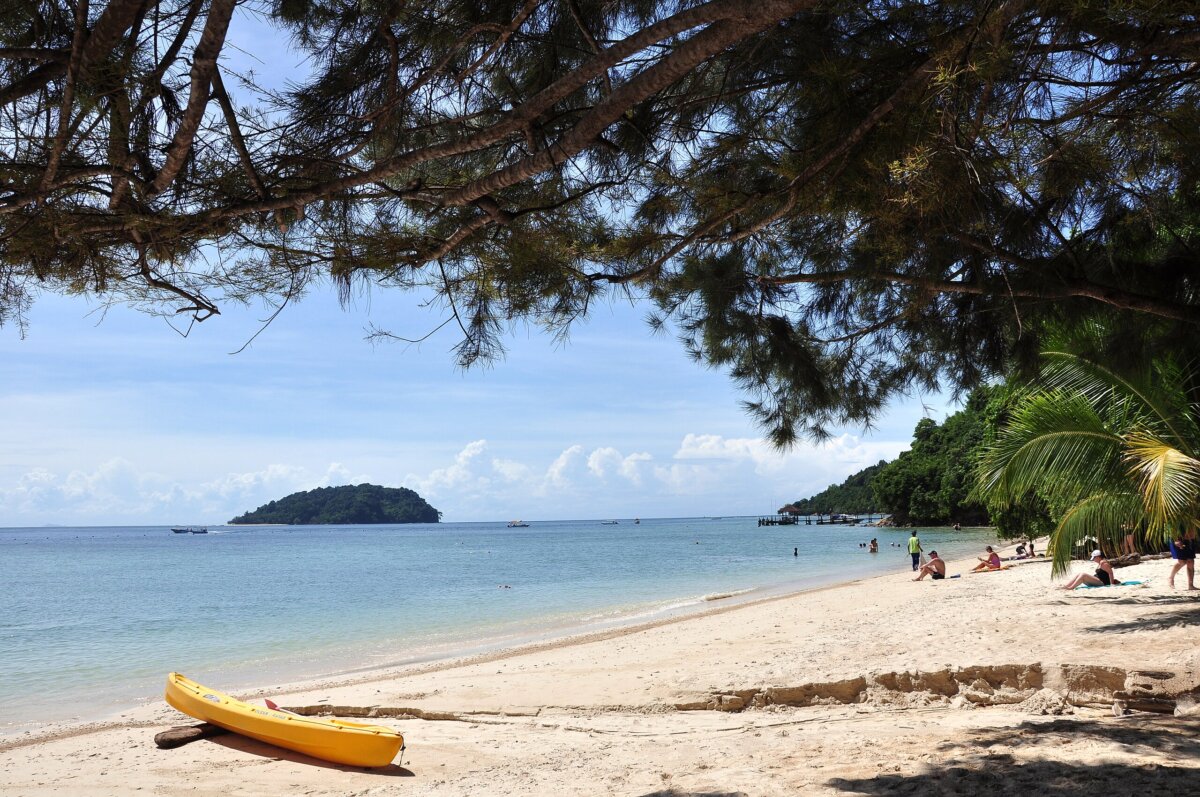
Main Beach Area
The primary stretch of coastline offering clear water for swimming and designated snorkeling zones. Visitors often congregate here due to the proximity of island facilities.
Walk to the far eastern end to find quieter sand patches.

Manukan Island sits 20 minutes by boat from Kota Kinabalu, the largest and most developed island in Tunku Abdul Rahman Marine Park. Its shallow coral reefs, white-sand beaches, and coastal forest trails make it the park's most visited destination for both snorkeling and land-based recreation.
Quick answer
Manukan Island offers snorkeling over coral gardens teeming with tropical fish, beach swimming along three bays, jungle walking trails through coastal forest, and water sports including jet skiing and parasailing. The island operates daily from 08:00 to 17:00, with a 25 MYR conservation fee for foreign adults. Arriving between 08:00 and 11:00 provides the best underwater visibility and avoids midday boat congestion.
Manukan Island holds the richest coral reef system in Tunku Abdul Rahman Marine Park, with visibility often exceeding 10 meters in the early morning hours. The house reef extends along the island's eastern and southern shorelines, where depths range from one to four meters within 20 meters of the beach. Parrotfish, clownfish sheltering in anemones, and occasional sea turtles populate the reef flats, accessible directly from the main beach without a boat. Three distinct beaches ring the island, each serving different purposes. The main beach on the southern coast hosts the jetty, changing facilities, and the majority of day visitors. The eastern bay offers calmer water and fewer crowds, favored by snorkelers tracking the coral slope. The western beach remains quieter still, bordered by casuarina trees and connected to the main beach by a 15-minute coastal trail that cuts through lowland forest. Boardwalks prevent erosion along the most trafficked sections. Beyond the reef, what to do in Manukan Island includes two marked jungle trails. The Nature Trail loops 1.5 kilometers through secondary forest, passing observation points for proboscis monkeys and hornbills most active at dawn and dusk. The Summit Trail climbs 150 meters to a viewpoint overlooking the South China Sea and the Kota Kinabalu skyline, requiring 30 minutes one way on uneven stone steps. Both trails start near the information center behind the main beach pavilion. Water sports operate from a dedicated zone on the main beach, with jet ski and banana boat rentals available through independent operators. Parasailing launches from a platform boat anchored 50 meters offshore. These activities pause during the 12:00–13:00 lunch window when boat traffic peaks. Kayak rentals allow self-guided exploration of the coastline, though the marine park boundary prohibits paddling beyond 200 meters from shore. Snorkeling equipment rents from vendors near the jetty, with life jackets provided at no additional cost for non-swimmers. The island infrastructure includes toilets, outdoor showers, covered picnic shelters, and a small café serving Malaysian meals and cold drinks. No overnight accommodation exists on Manukan, and all visitors must depart on the final scheduled boat before the 17:00 closure. Lockers secure valuables during water activities, operated by coin deposit. The reef suffers visible damage in high-traffic zones, with broken coral marking the most popular entry points, a reminder that the 25 MYR conservation fee funds active restoration work across the marine park.
“The house reef extends along the island's eastern and southern shorelines, where depths range from one to four meters within 20 meters of the beach.”
The best arrival window for Manukan Island is 08:00–11:00. Arriving within this timeframe allows visitors to avoid midday boat crowds and experience optimal water clarity for snorkeling.
—
Quiet conditions make this the best time for beach access.
Dry, 32°C average
Clearer skies and calmer seas benefit water activities.
Warm, 31°C average
Expect higher boat traffic from tourists during school holidays.
Potential rain, 30°C average
Afternoon showers are more frequent, favoring early morning visits.
Verdict: Plan your visit for a weekday morning between March and May to secure the best balance of low crowds and clear, calm weather.
Manukan Island is open daily to visitors throughout the year.
Access to Manukan Island requires the payment of a conservation fee to support the Tunku Abdul Rahman Marine Park. This fee is mandatory for all foreign visitors entering the park.
Verdict: A typical foreign adult pays 25 MYR, which grants access to all islands within the marine park for the same day.
Manukan Island is located within the Tunku Abdul Rahman Marine Park and is accessible primarily by boat from Kota Kinabalu. The most direct approach is via the dedicated ferry terminals in the city center.
Jesselton Point Ferry Terminal to Manukan Island jetty
City center to Jesselton Point Ferry Terminal
Within Kota Kinabalu city center to Jesselton Point
Plan your arrival for the 08:00–11:00 window to beat the midday boat crowds and ensure better visibility for snorkeling activities.
Manukan Island features several distinct zones ranging from developed recreational beaches to dense coastal forest trails. Visitors can explore these areas to experience the diverse natural environment of the Tunku Abdul Rahman Marine Park.
The primary stretch of coastline offering clear water for swimming and designated snorkeling zones. Visitors often congregate here due to the proximity of island facilities.
Walk to the far eastern end to find quieter sand patches.
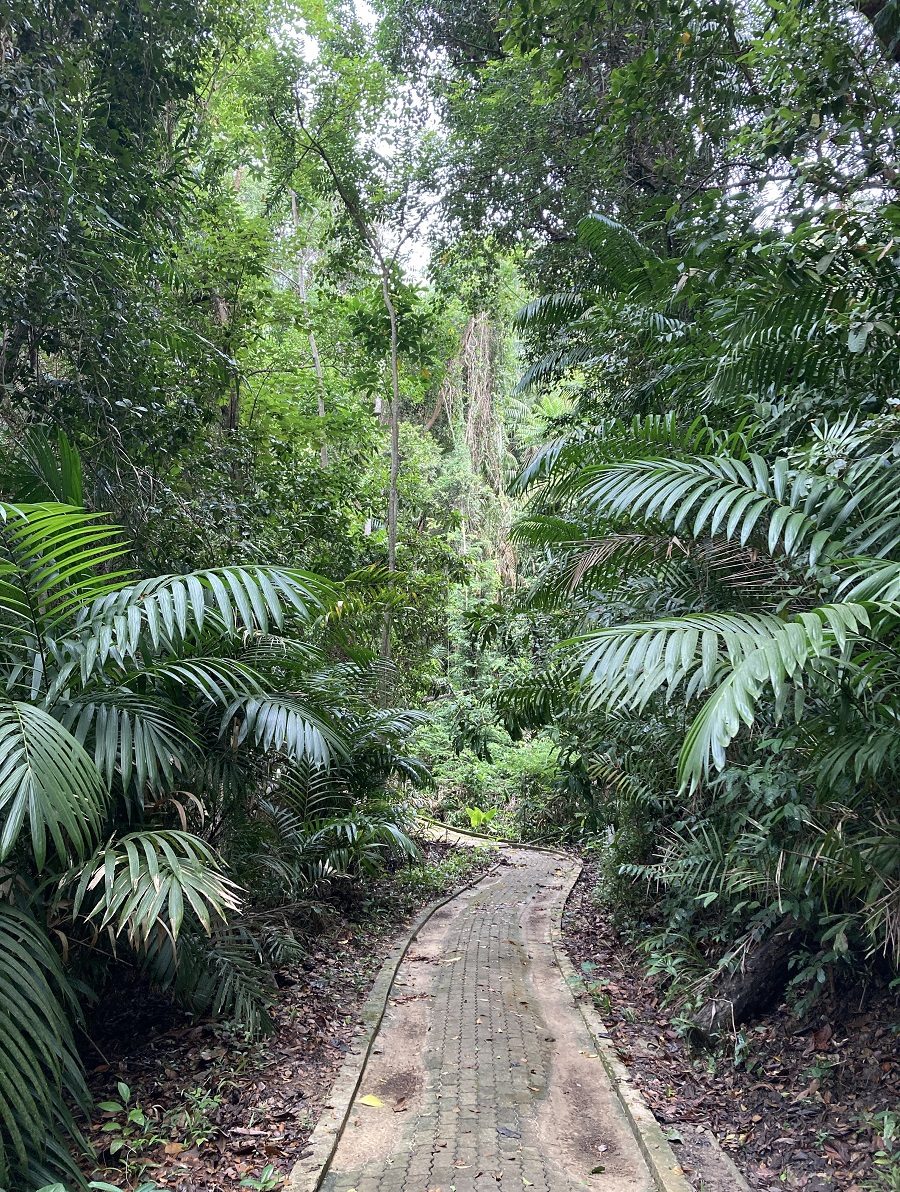
A network of paths winding through the island's interior forest, providing opportunities to observe local flora and small wildlife. The trail elevates slightly, offering glimpses of the surrounding marine park.
Bring insect repellent and wear closed-toe shoes for the hike.
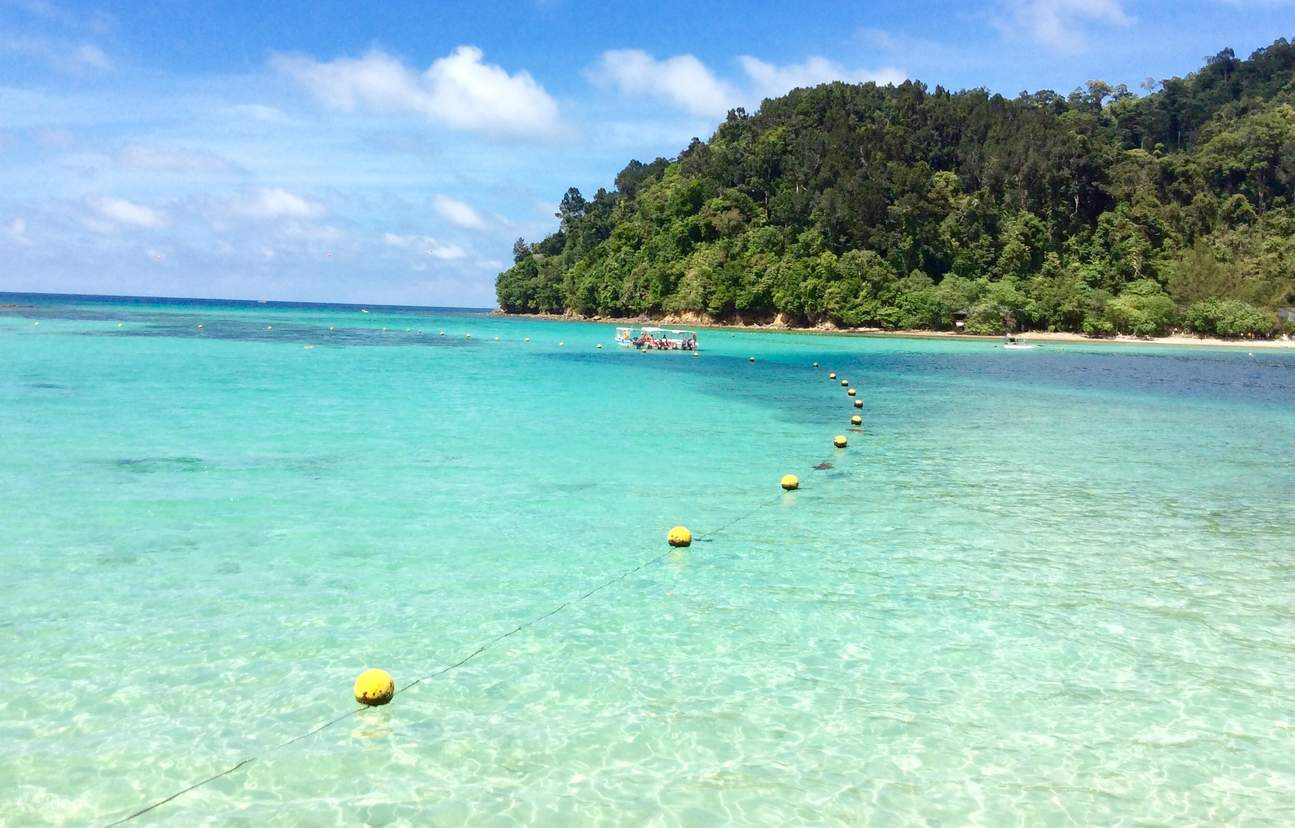
Specific zones marked by buoys where coral reefs are most accessible from the shore. These areas contain various marine species and tropical fish populations.
Observe from a distance and avoid touching the coral structures.
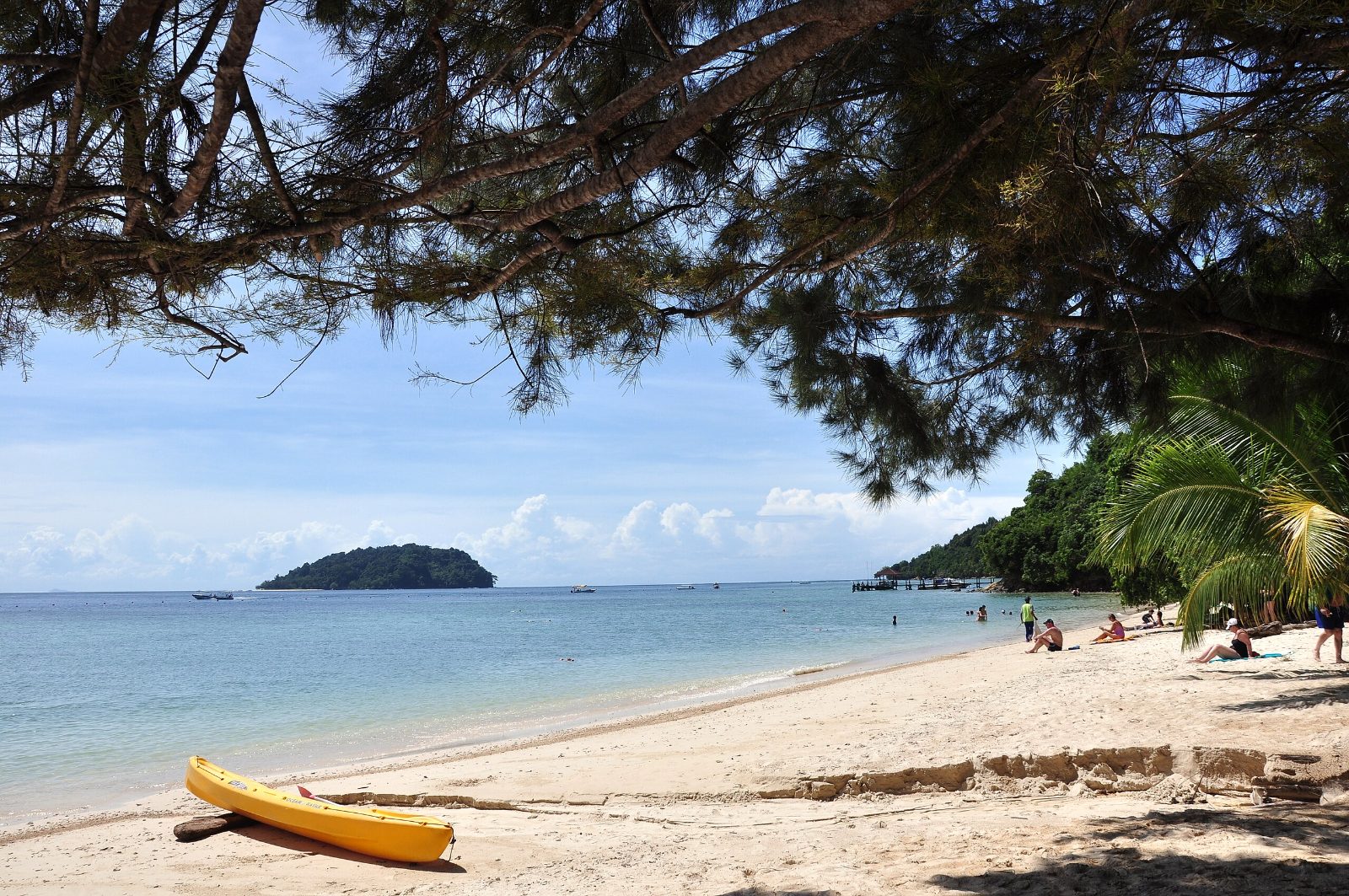
A quieter section of the island situated away from the main jetty and primary beach crowds. It provides a more secluded atmosphere for those walking the coastline.
Visit during low tide to explore the exposed rocky outcrops.
Manukan Island sits within a protected marine park where visitor conduct directly affects coral reefs, wildlife, and the experience of others. Following these guidelines helps preserve the island's ecosystems and maintains safety standards for all guests.
Everything you need to know about what to do in manukan island
Visitors typically spend their time lounging on the sandy beach, swimming in the clear water, or exploring the surrounding coral reefs. Considering what to do in manukan island often starts with deciding between relaxation and active exploration of the coastline.
There is a conservation fee of 25 MYR per foreign adult, which is valid for all islands within the Tunku Abdul Rahman Marine Park on the same day. This fee is collected upon arrival at the jetty.
Families often enjoy the calm, shallow waters near the shore, which are suitable for young swimmers and novice snorkelers. Looking for what to do in manukan island with children usually involves beach games and picnicking in designated shaded areas.
Yes, the marine park allows for island hopping between Manukan, Sapi, and others within the same day. Many boat operators offer flexible transfers to ensure you can see multiple spots before your departure.
The best arrival window is 08:00–11:00 to beat the midday boat crowds and enjoy better visibility for snorkeling. Arriving early ensures you secure a comfortable spot on the beach before the peak ferry traffic arrives.
Snorkeling and diving are the primary activities for those visiting the marine park. When planning what to do in manukan island, check with local rental shops for equipment like fins, masks, and life jackets.
The island features nature trails that offer a different perspective of the local flora and fauna away from the shore. These paths are accessible and provide a quiet retreat for those wanting a break from the water.